

New Front Emerges in Fight Against Synthetic Opioids
New Front Emerges in Fight Against Synthetic Opioids
Introduction
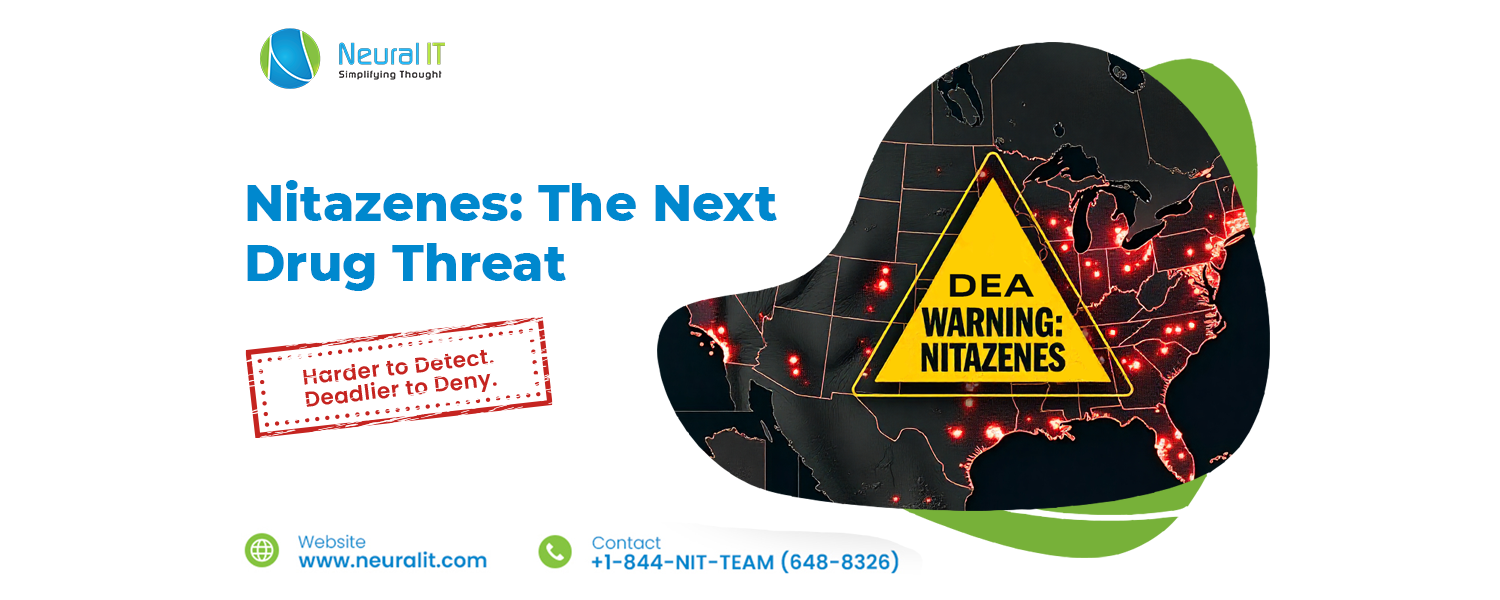
The U.S. opioid crisis has already claimed hundreds of thousands of lives, with fentanyl standing out as one of the deadliest substances. Now the leading cause of death among Americans aged 18 to 44, fentanyl has become synonymous with overdose deaths.
Yet, a newer synthetic opioid—nitazenes—has emerged as an equally alarming danger. The U.S. Drug Enforcement Administration (DEA) has warned that these drugs are harder to detect and combat than fentanyl, calling them one of the “scariest” developments in the ongoing crisis.
Nitazenes and Their Origins
Nitazenes are a class of synthetic opioids first developed in the 1950s by a Swiss pharmaceutical company as painkillers. They were never marketed for human or veterinary use, and until 2019, recreational consumption was rare. Since then, nitazenes have reappeared on illicit drug markets worldwide, often mixed with heroin or sold as counterfeit prescription drugs. This hidden presence, combined with their extreme potency, sharply increases the risk of overdose.
Allegations of a “War-Like” Strategy
Many nitazenes are sourced from Chinese chemical and pharmaceutical firms, leading some U.S. law enforcement officials to frame their spread as a deliberate act. A former DEA leader even described the influx of synthetic opioids as part of a “war-like attack” aimed at destabilizing American communities. However, direct evidence implicating China’s Communist Party in nitazene production remains weak. What is clearer is that Chinese authorities have often ignored the manufacture of synthetic opioids and their chemical precursors, citing a lack of regulation.
Trump’s Trade Measures Against Synthetic Opioids
Since returning to office, President Trump has made combating synthetic opioids a centerpiece of U.S.-China relations. In February, he imposed 10 percent tariffs on goods from China, Mexico and Canada for failing to stem the flow of these drugs, later doubling the tariff on China to 20 percent. An appeals court has since ruled that Trump may have exceeded his authority with these measures, raising questions about their legality.
China’s Ban on Nitazenes
In response, China added all nitazene-related compounds and several fentanyl precursors to its list of controlled narcotics in summer 2024. This move is expected to reduce nitazene manufacturing significantly and make online advertising of the drug more difficult. Still, as global drug supply chains are highly adaptable, many experts believe the flow of synthetic opioids to the U.S. and other countries will continue despite these restrictions.
The Scope of the Crisis
Although nationwide data are limited, the U.S. Centers for Disease Control and Prevention (CDC) estimated 320 nitazene-related deaths across 38 states in 2023. Emergency medical service encounters for nitazene overdoses—fatal and nonfatal—jumped from 5,628 in 2023 to 9,716 in 2024. Canada has recorded about 400 nitazene-linked deaths since 2021, though incomplete forensic data suggest the actual number is higher.
Europe’s Rising Death Toll
Europe has been hit particularly hard. Since 2019, at least 21 European countries have reported the presence of nitazenes. In 2024, Germany experienced a surge in nitazene-linked fatalities as part of 342 synthetic opioid deaths. In Estonia, nitazenes accounted for more than half of drug-related deaths in 2023, while Latvia reported 101 nitazene deaths out of 154 total. The U.K. recorded 458 nitazene deaths between July 2023 and December 2024, while Scotland, Europe’s deadliest drug market, reported 38 nitazene deaths in just the first three months of 2025.
Potency: Myth Versus Reality
Contrary to popular belief, nitazenes may not be stronger than fentanyl. According to the U.K.’s National Crime Agency, the potency of nitazenes is likely similar to fentanyl—both about 50 times stronger than heroin. A recent scientific review supports this estimate, suggesting that the perceived “extra” danger of nitazenes lies less in their potency and more in their hidden presence in street drugs.
Lessons from the Fentanyl Ban
China’s 2019 ban on fentanyl offers clues about the potential impact of its new nitazene restrictions. After fentanyl was prohibited, shipments of the drug from China to the U.S. plummeted. However, Chinese firms quickly pivoted to producing other synthetic opioids, including nitazenes, and exporting unscheduled fentanyl precursors to Mexico, where they were manufactured into finished drugs for U.S. markets.
Three Possible Futures
There are three likely scenarios for nitazenes in the wake of China’s ban. First, Chinese firms may shift to producing unscheduled nitazene precursors, enabling criminal groups in Mexico or Europe to synthesize the finished drug. Second, manufacturers could develop entirely new synthetic opioids that fall outside existing regulations—an approach already evident in the rise of brorphine analogues. Third, chemical companies in countries where nitazenes remain legal—such as India, a major producer of synthetic opioids—may increase production to fill any market gap.
Supply-Side Measures Are Not Enough
While China’s regulation is an important step that will curb some manufacturing and advertising, it is unlikely to stop the global spread of synthetic opioids. Supply chains will evolve, and new drugs will replace banned substances. The deeper challenge is that supply-side enforcement alone has historically failed to shrink drug markets or reduce addiction.
Investing in Prevention and Treatment
To make a real dent in the opioid crisis, countries must complement enforcement with prevention, harm reduction, treatment and recovery services. Without major investments in supporting user populations, no amount of regulation or foreign pressure will end the cycle of synthetic opioid deaths.
Comments
Latest News
Lawyers to Meet Nov. 5 for Talcum Powder Trial Prep
Categories: Talcum

As the first federal talcum powder bellwether trial approaches, both plaintiffs and defendants have finalized their legal teams and are preparing for a key pretrial conference scheduled for early November.
The upcoming proceedings mark a…
2025 Update: What to Know About PPI Lawsuit Settlements & Payout Dates
Categories: Settlements

Last updated on Oct 27, 2025.
The mass tort litigation involving proton pump inhibitor (PPI) drugs — such as Nexium, Prilosec, Prevacid and Protonix — is entering a pivotal phase in …
New Front Emerges in Fight Against Synthetic Opioids
Categories: Opioids
The U.S. opioid crisis has already claimed hundreds of thousands of lives, with fentanyl standing out as one of the deadliest substances. Now the leading cause of death among Americans aged 18 to 44, fentanyl has become synonymous with overdose…