

Jury Awards $33.3 Million to Man Seriously Injured by Falling Tree Limb in Sacramento Park
Jury Awards $33.3 Million to Man Seriously Injured by Falling Tree Limb in Sacramento Park
Introduction
Overview of the Verdict
A Sacramento jury awarded $33.3 million to Michael Flynn, an MIT graduate who suffered a severe traumatic brain injury after a dead tree limb fell on him while he was jogging in McKinley Park in Sacramento, California, in April 2020. The jury found the City of Sacramento 100% responsible for the incident. According to the plaintiff’s law firm, the award was filed on October 9, 2026, and the verdict was reported by news outlets on October 15, 2026. The case attracted attention because of the severity of Flynn’s injuries and allegations that the city failed to identify and address a hazardous tree limb in a public park. The verdict also raised questions about municipal tree maintenance and the responsibility of local authorities to take reasonable steps to protect visitors from dangerous conditions.
Circumstances of the Incident
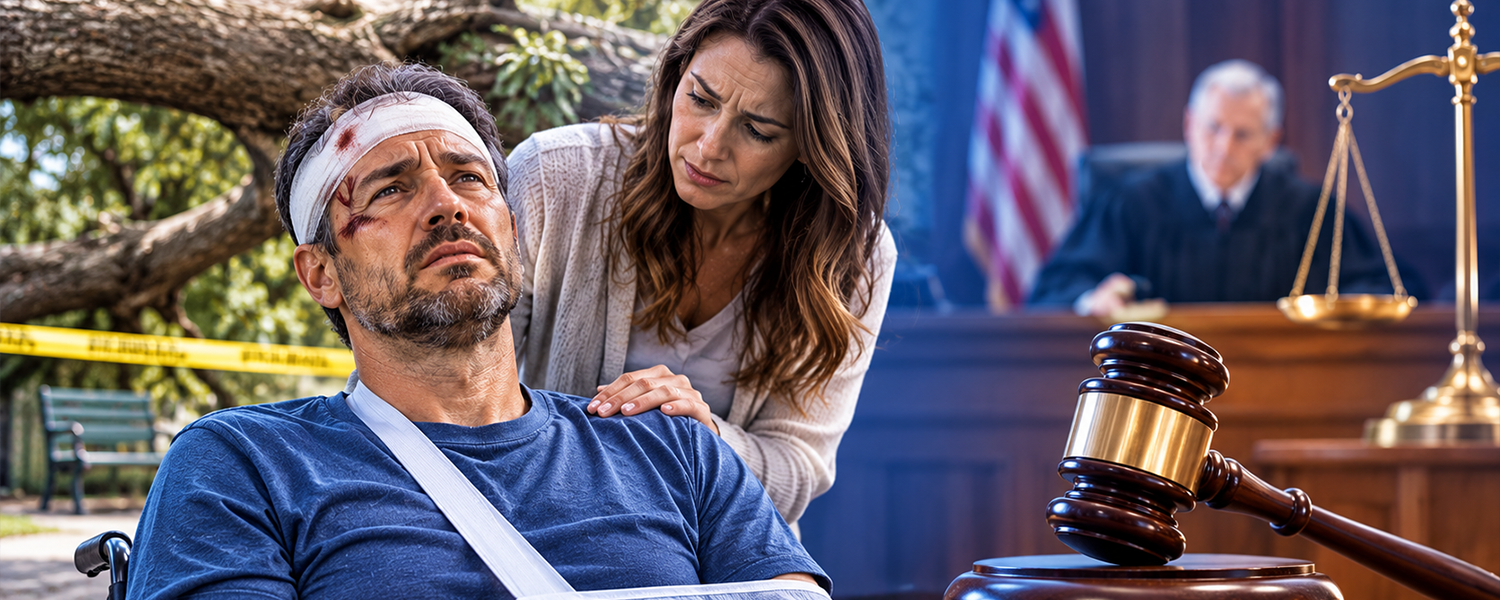
Flynn was 28 years old and pursuing a Ph.D. in theoretical physics at the University of California, Davis, when the incident occurred. He was jogging through McKinley Park on a spring day when a dead tree limb approximately 30 feet long fell from above and struck him. According to KCRA and CBS Sacramento, the limb fell approximately 26 to 27 feet before hitting him. The impact fractured his skull and caused a severe traumatic brain injury. Flynn later told KCRA that he regained consciousness in the hospital approximately three days after the accident. At the time, he was approaching the completion of his doctoral studies and had planned to pursue a career in physics and quantum computing. The incident dramatically changed his circumstances and affected the future he had anticipated.
Severity of the Injuries and Long-Term Consequences
Flynn required extensive medical treatment following the incident. According to KCRA, he underwent two surgeries, at least 10 CT scans, and consultations with multiple medical specialists. Part of his skull had to be removed because of the severity of the injury. Despite these challenges, Flynn eventually completed his doctorate at UC Davis in 2021. However, he has continued to experience significant cognitive limitations that have affected his personal and professional life. His attorney, Jason Sigel, told KCRA that Flynn would not be able to work in the same field and in the same capacity he could have before the accident. Flynn has also described the lasting consequences of his injury and the limitations it has placed on his ambitions. These reported effects formed an important part of the case and the damages sought on his behalf.
Claims Against the City of Sacramento
Flynn filed a lawsuit against the City of Sacramento, alleging that the municipality failed to identify and address the hazardous tree limb before it fell. His legal team argued that the limb had been dead for an extended period and that reasonable inspection practices could have identified the danger. According to the plaintiff’s attorneys, the city relied substantially on park visitors to report hazardous conditions rather than ensuring that dangerous tree limbs were identified through routine inspections. The plaintiff maintained that a more proactive approach to tree maintenance could have prevented the incident. These allegations formed the basis of the claim against the city. The jury ultimately found the City of Sacramento 100% responsible for Flynn’s injuries.
Evidence Concerning Tree Maintenance
A central issue in the litigation was whether the city should reasonably have discovered the dead limb before it fell. According to the plaintiff’s law firm, the limb had been dead for at least 18 months and potentially close to three years. The attorneys argued that the condition should have been identified and addressed before it endangered park visitors. The law firm also reported that seven to eight maintenance workers were present in McKinley Park each day but were not routinely instructed to inspect trees for dead or dangerous limbs. According to the plaintiff’s legal team, city records showed that reports concerning hazardous limbs in the park largely originated from residents rather than city employees. The plaintiff argued that a systematic inspection program could have identified the hazard earlier. These arguments placed the adequacy of the city’s tree-inspection and maintenance practices at the center of the liability dispute.
Jury Findings and the $33.3 Million Award
Following the trial, the jury found the City of Sacramento 100% responsible for Flynn’s injuries, and the reported award totaled $33.3 million. The plaintiff’s law firm described the verdict as a significant result in a case involving a severe traumatic brain injury and lasting consequences for Flynn’s professional and personal future. The firm reported that the award was filed on October 9, 2026, with its announcement published on October 15. The filing date should not be confused with the date the jury reached its decision. The news reports reviewed do not provide a complete breakdown of the award among medical expenses, lost earning capacity, pain and suffering, and other damages. Consequently, the total award can be reported without speculating about the amounts allocated to individual categories.
City Response and Public Safety Implications
Following the verdict, Sacramento City Manager Howard Chan described the incident as tragic and acknowledged its significant impact on Flynn and his family in a statement to KCRA. The statement emphasized the importance of Sacramento’s urban forest and the city’s commitment to maintaining trees and helping keep parks and public spaces safe. Flynn has expressed hope that the case will encourage improvements in park maintenance and help prevent similar incidents. CBS Sacramento separately reported that the city was asked what changes, if any, it had made following the incident, but the report did not establish that specific policy changes had been implemented. The case highlights the importance of identifying potentially hazardous tree limbs, maintaining appropriate inspection procedures, and addressing risks before they cause serious injuries. It also demonstrates how evidence concerning the duration of a dangerous condition and the adequacy of inspection practices can become critical in litigation involving injuries on public property.
Comments
Latest Personal Injury News
$6.8 Million Verdict Against New York Nursing Home for Chronic Understaffing and Resident Neglect
Categories: Nursing Home Negligence

Jury Holds Nursing Home and Its Owners Liable
…Bakersfield Jury Awards $9.25 Million in Wrongful Death Case Involving Pregnant Woman and Newborn Son
Categories: Medical Malpractice
Background of the Wrongful Death Case
…Jury Awards $33.3 Million to Man Seriously Injured by Falling Tree Limb in Sacramento Park
Categories: Premises Liability
Overview of the Verdict
…